What to Look for in Marietta top Pool Maintenance for Reliable Pool Care
What to Look for in Marietta top Pool Maintenance for Reliable Pool Care
Blog Article
Complete Pool Servicing: Preserve Your Pool Gleaming Throughout the Year
Thorough pool maintenance is vital for every pool owner. It ensures a clean and safe swimming environment throughout the year. Regular maintenance not only enhances water clarity but also prevents costly repairs. Understanding the essential tasks involved can make a major difference. With the right tools and knowledge, anyone can manage their pool effectively. However, many overlook key aspects that could enhance their pool experience. What are these important practices that can turn a typical pool into a spotless oasis?
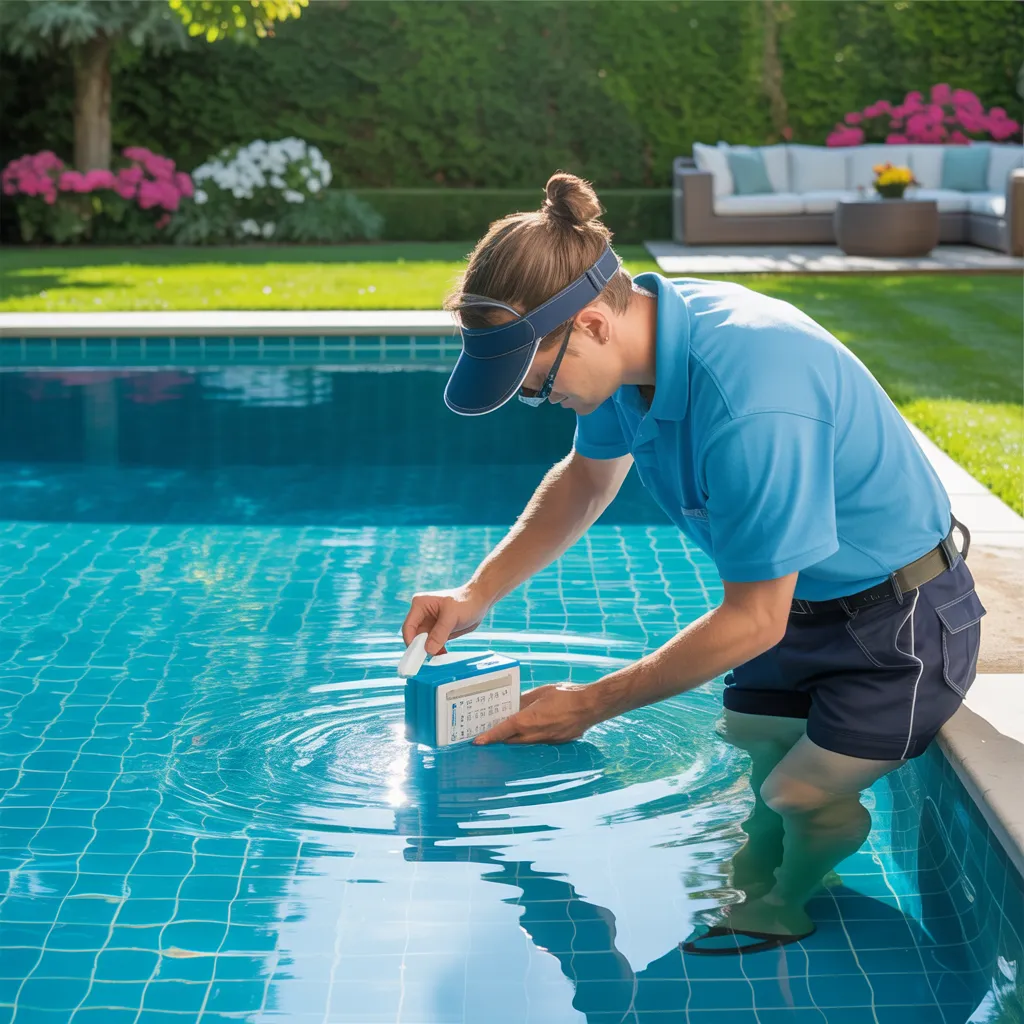
What Every Pool Owners Should Learn About Maintenance
Maintaining a pool involves diligence and understanding of essential practices. Every pool owner should understand the significance of regular maintenance to ensure water purity and protection. Routine tasks include checking chemical levels, which should be balanced to prevent algae growth and preserve swimmer enjoyment. Filtration systems need consistent monitoring, as they play a vital role in maintaining water purity.
Homeowners should inspect pool surfaces and equipment as well for wear or damage signs, promptly addressing issues to prevent expensive repairs. Frequent skimming and vacuuming function to remove particles impacting water condition.
Understanding seasonal cycles is important; weatherproofing a pool in colder climates can protect it from loss. Comprehension of local regulations regarding pool maintenance can also inform owners in complying with safety protocols. Overall, a engaged framework to pool preservation not only maximizes the swimming experience but also extends the life of the pool itself.
Essential Tools for Effective Pool Care
A experienced pool owner realizes that having appropriate equipment is essential for effective pool maintenance. Critical instruments include a net skimmer, which effectively eliminates surface debris and floating matter, and a pool vacuum to clean the pool floor. A reliable pool brush is vital for maintaining the walls and steps, preventing algae buildup. In addition, a water testing kit is crucial for monitoring chemical levels, promoting a safe swimming environment.
To preserve adequate flow, a high-quality pool pump is required, while a filter system keeps the water clear. Pool upkeep also benefits from equipment like a telescopic pole, allowing users to access difficult areas. Finally, investing in a cover shields the pool from debris and reduces maintenance time. These vital equipment empower pool owners to maintain their pools effectively, making them sparkling and inviting throughout the year.
Why Consistent Cleaning Maintains Your Pool Sparkling
Maintaining a sparkling pool depends on consistent maintenance, eliminating debris accumulation and ensuring water clarity. The proper tools and a consistent cleaning schedule are vital components of this process. Learning why regular upkeep matters can strengthen your pool's appearance and lifespan.
Key Cleaning Instruments Essential
While enjoying a immaculate pool is a delight for any homeowner, the right maintenance equipment are crucial for maintaining it in gleaming condition. A reliable skimmer net is vital for extracting leaves and debris from the surface of the water. Additionally, a pool brush assists in maintain tile and wall hygiene, stopping algae buildup. A vacuum, whether manual or automatic, can efficiently clean the pool floor, guaranteeing no dirt remains. Testing kits are also important for tracking water chemistry, allowing for timely adjustments. Finally, a pool cover can protect the pool from contaminants when not in use, decreasing overall cleaning time. Together, these tools form the foundation for effective pool maintenance, adding to a consistently appealing swimming environment.
Pool Upkeep Frequency
How frequently should a pool be maintained to preserve its sparkle? Consistent cleaning is vital to guarantee a immaculate aquatic space. Generally, pools should be skimmed and vacuumed each week to remove waste, leaves, and grime. Furthermore, scrubbing the surfaces and floor at least once a week helps avoid algae buildup. Water chemistry should be checked two to three times a week to ensure proper balance, while filters need cleaning or replacement according to manufacturer recommendations, typically every 1-3 months. Seasonal thorough cleaning is also recommended, including intensive cleaning and inspection of equipment. By sticking to this maintenance routine, pool owners can keep a gleaming pool, decreasing the likelihood of more extensive issues arising later.
Advantages Of Scheduled Maintenance
Steady cleaning habits not only enhance the aesthetic of a pool but also help significantly to its overall health and longevity. Consistent maintenance prevents the gathering of matter, algae, and unhealthy bacteria, ensuring a safe swimming setting. By promptly addressing these issues, pool owners can avoid costly repairs and extend the lifespan of their pool equipment. In addition, consistent cleaning aids in keeping water chemistry balanced, vital to stopping corrosion and scaling. A well-maintained pool also provides a more enjoyable swimming experience, as clear water and a clean surface are inviting. Ultimately, regular maintenance practices are essential for preserving both the functionality and visual appeal of a pool throughout the year.
Pool Chemical Equilibrium: A Simple Tutorial
Keeping pool chemicals balanced is necessary for maintaining water clarity and safety. Key factors include chlorine, alkalinity, and pH levels, all of which necessitate regular checking. Analyzing the water routinely and making appropriate adjustments confirms a wholesome swimming environment.
Essential Chemical Components
Preserving a clean and safe recreational pool depends greatly on knowing necessary chemical elements. The foremost chemicals utilized contain chlorine, pH balancers, alkalinity increasers, and calcium hardness. Chlorine serves as a sanitizer, eliminating destructive bacteria and algae formation. Maintaining the correct pH level, optimally at 7.2 to 7.6, warrants effective chlorine performance and circumvents skin inflammation. Alkalinity stabilizers help buffer pH fluctuations, while calcium hardness inhibits corrosion and scaling. Each of these components has a fundamental part in overall water quality and aquatic safety. Diligent care to these chemicals not only refines the pool's purity but also prolongs the operational life of the pool and its components, making it crucial for any pool owner to apprehend their consequence.
Water Checking on a Regular Basis
Frequent water testing is vital for securing perfect aquatic environment and balanced chemistry in a pool. This method detects disparities that can produce algae growth, cloudy water, or skin irritation. Testing should be done at least once a week, with frequent checks during peak usage or extreme weather conditions. Key elements to observe include chlorine levels, alkalinity, and hardness. With test strips or liquid kits, pool owners can receive accurate readings and make thoughtful determinations about necessary adjustments. Consistent testing not only elevates the pool's aesthetic quality but also aids in the service life of pool equipment. By highlighting regular water testing, pool owners can keep a safe and inviting environment for swimmers throughout the year.
Modifying pH Levels
While a well-maintained pool offers an inviting retreat, incorrect pH levels can compromise its general quality and swimmer enjoyment. pH levels play a vital role in the effectiveness of sanitizers and the general state of the pool environment. Ideally, the pH should range between 7.2 and 7.8. When levels drop below this bracket, water becomes acidic, possibly leading to skin irritation and wear of pool equipment. In contrast, elevated pH levels can result in cloudy water and diminished disinfectant efficiency. Routine testing with pH strips or digital testers is important. If adjustments are needed, adding pH booster (sodium carbonate) or pH reducer (sodium bisulfate) can restore balance. Maintaining correct pH guarantees a safe and enjoyable swimming experience.
Mending Your Pool Troubles: Speedy Resolutions
Troubleshooting pool issues can feel challenging, but fast solutions often exist for frequent problems. For murky water, testing and adjusting pH and chlorine levels can usually restore clarity. If the filter is not working, checking for clogs or replacing the filter media may fix the problem promptly. When dealing with algae growth, applying a chlorine shock with a chlorine treatment can quickly eliminate it, followed by scrubbing the walls and floor.
In cases of water losses, locating the origin is crucial; using dye tests can help find small leaks around fittings or skimmers. For equipment that won't start, checking power sources and resetting timers often does the trick. Finally, if the pool surface shows discoloration, applying a suitable cleaning agent or scrub can help restore its appearance. By addressing these issues swiftly, pool owners can maintain a clean and enjoyable swimming environment throughout the year. shows marks, using an appropriate cleaner or scrubbing tool can help restore its appearance. By resolving these concerns promptly, pool owners can preserve a hygienic and delightful swimming space throughout the year.
Tips for Improving Your Pool's Aesthetic Appeal
How can swimming pool proprietors transform their outdoor space into a aesthetically pleasing oasis? One efficient strategy is to include surrounding landscaping. Verdant foliage and colorful flower beds can create a vibrant contrast against the pool's blue water. Additionally, using decorative planters with tropical plants brings depth and interest.
Lighting constitutes an essential role as well. Underwater LED lights and thoughtfully positioned lanterns enhance the evening ambiance, making the pool area welcoming after sunset.
Incorporating fashionable furnishings is another key element. Comfortable lounge chairs, chic umbrellas, and elegant tables offer both practicality and visual charm.
Finally, consider adding artistic touches such as mosaics or sculptures. These unique features can serve as focal points, elevating the overall design. By blending these elements, pool owners can design an magical environment that invites relaxation and enjoyment all year round.
Frequently Asked Questions
How often Times Should I Test My Pool Water Chemistry?
Testing pool water chemistry should take place at least once a week during the swimming season. In cooler months, bi-weekly tests may suffice. Regular testing ensures balanced water, enhancing safety and ideal swimming conditions for users.
What Are Common Signs of Pool Algae Infestation?
Signs of pool algae issues include greenish or turbid water, slick surfaces, apparent black or green spots on walls, and a potent smell. Routine inspections can assist in spotting these issues early on, making sure successful treatment.
Can I Use Regular Home Cleaners in My Pool?
Utilizing common household cleaners in a pool is not advisable. These substances can upset the water's chemical composition, possibly damaging swimmers and damaging pool fixtures. It's best to use cleaners specifically designed for pool maintenance.
How Can I Winterproof My Pool Correctly?
To winterproof a pool successfully, one should lower the water level, scrub the pool completely, add winter chemicals, secure the pool cover, and confirm all equipment is drained and stored properly to stop damage.
How Can I Address a Loud Pool Pump?
When the pool description pump is noisy, the owner must search for debris, keep proper lubrication, and review the motor. If problems persist, engaging an expert or substituting the pump may be crucial for solving the issue.
Report this page